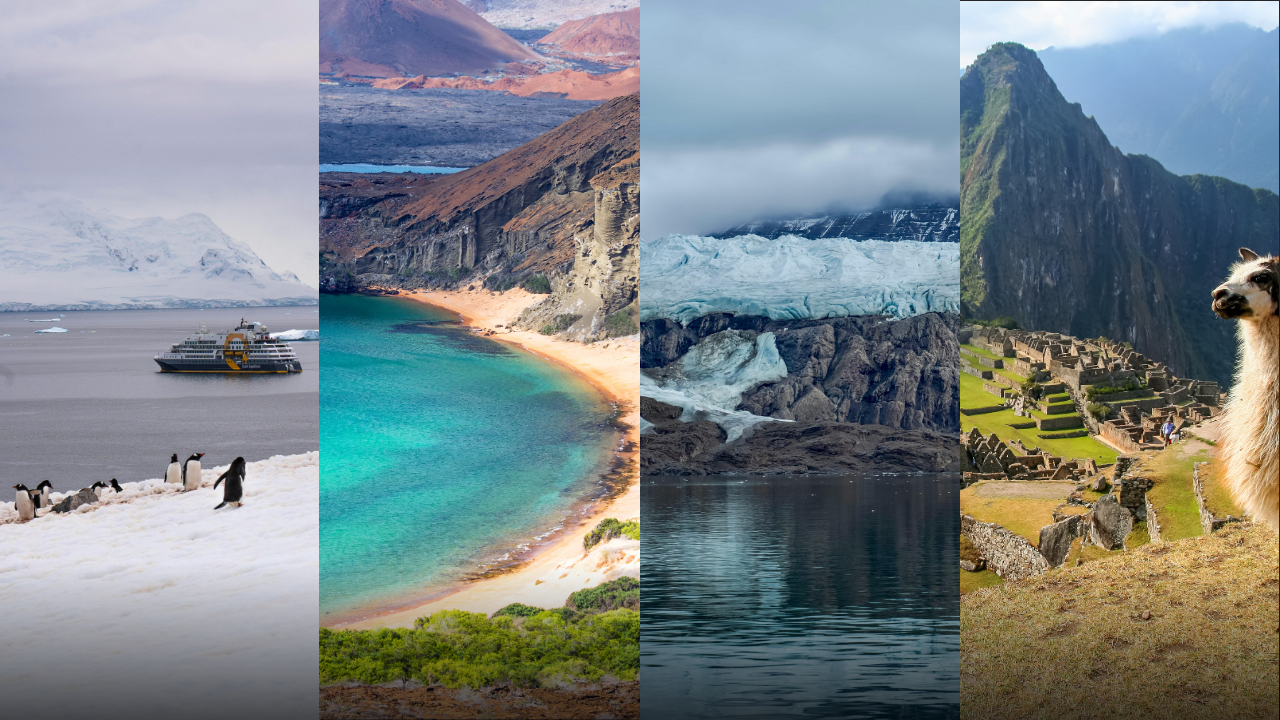
Antarctica, the Arctic, Galapagos and Peru: Travel Talk with Chimu Adventures
Watch the Chimu Adventures Travel Talk
In this Expedition Talk, Jennifer Waugh and Kirsten from Chimu Adventures discuss Antarctica, the Arctic, the Galapagos and Peru, with practical advice drawn from Kirsten’s own travels and questions from the group.
The conversation covers expedition ships, the Drake Passage, Galapagos itineraries, altitude in Cusco, Machu Picchu permits and the choices involved in planning a longer South American journey.
How rough is the Drake Passage, really?
It’s one of the first questions many travellers ask when they start thinking about Antarctica. Kirsten from Chimu Adventures has crossed it herself. On her journey south, she experienced what’s known as the “Drake Lake”. The return crossing brought a little more movement, or what travellers call the “Drake Shake”.
During this Delivering Dreams Travel Expedition Talk, Jennifer Waugh was joined by Kirsten to discuss expedition travel, the Galapagos Islands and some of the most rewarding places to explore in South America. Kirsten shared her own travel experiences and answered questions from guests who are considering journeys of their own.
Getting to know Chimu Adventures
Chimu Adventures has spent 23 years specialising in travel across Latin America and the polar regions. The company began in Australia and has since expanded its team, including a presence in North America and staff working in destinations across South America.
One of Chimu’s main strengths is its approach to flexible, customised itineraries. Rather than asking travellers to fit into one fixed group departure, the team can build a trip around the people travelling, their interests, available time and preferred pace.
An itinerary might combine private excursions with smaller shared tours. Travellers can also choose from different accommodation options and adjust the route to suit their plans.
Chimu also has local teams across Latin America who provide English speaking assistance around the clock. This gives travellers access to support in the region if questions or unexpected situations arise during their trip.
Antarctica and choosing the right expedition ship
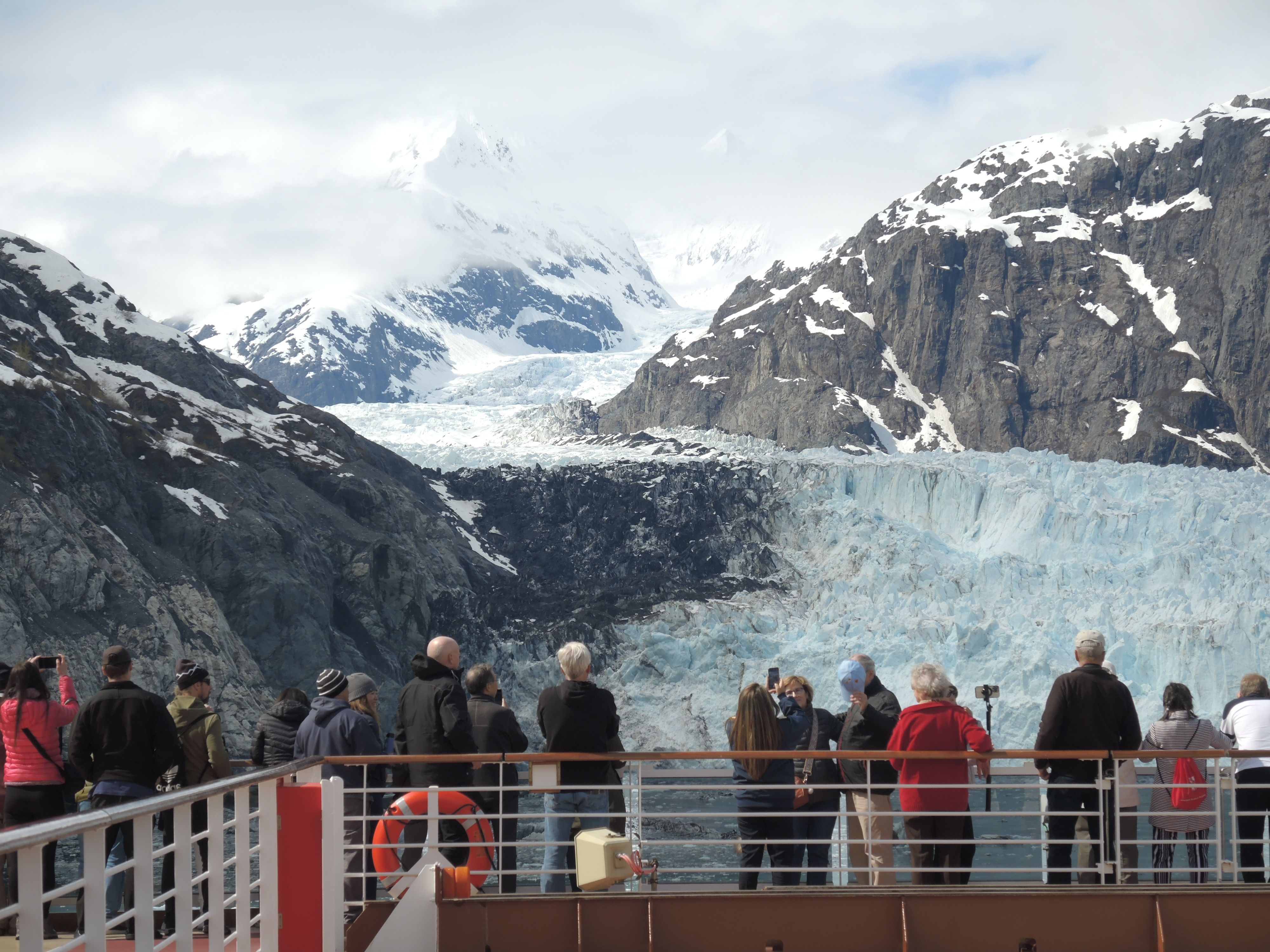
For an Antarctica expedition, the ship you choose has a real effect on the experience.
Chimu works with a range of expedition operators and ships, matching travellers with an option that suits their preferences and budget. Some ships have a more traditional expedition feel, while others offer a higher level of onboard comfort and additional facilities.
Kirsten explained that the ships Chimu works with for Antarctica carry 200 passengers or fewer. Smaller passenger numbers can make a difference when it’s time to head ashore.
For example, the Ocean Nova carries just 74 passengers. Depending on weather and landing conditions, guests may have the opportunity to leave the ship twice a day for excursions. That can mean several hours exploring the landscape, watching wildlife and travelling by Zodiac.
The weather always has the final say, but smaller ships can make the process of getting people off the vessel more manageable.
What can you do in Antarctica?
There’s more to an Antarctica expedition than watching the ice from the deck.
Depending on the ship, itinerary and conditions, activities may include:
Zodiac excursions among icebergs and wildlife
Guided walks and hikes on the Antarctic Peninsula
Kayaking for travellers who want time on the water
Snowshoeing in suitable conditions
Camping on the Antarctic continent
The famous polar plunge
Kirsten described her own polar plunge, which lasted around 10 seconds in water close to zero degrees. Expedition staff supervise the activity, with safety equipment and a ladder to help guests get back into the Zodiac or onto the ship.
Camping is another option on some departures, generally available in November and early December when the snow conditions are suitable. Kirsten recommended bringing an eye mask, as daylight can last well into the night during the Antarctic summer.
The Drake Passage: Drake Lake or Drake Shake?
The Drake Passage separates South America from the Antarctic Peninsula. It has a reputation for rough seas, so it’s understandable that travellers want to know what to expect.
Kirsten experienced calm conditions on her southbound crossing, which earned it the nickname “Drake Lake”. The return journey was a little rougher, giving her a taste of the “Drake Shake”.
Conditions can vary, and no crossing can be guaranteed to be calm. The ships Chimu works with have stabilisers, and some use an X-bow design that helps the vessel move through waves.
The best approach is to understand that the crossing is part of the expedition experience and to choose a ship that suits your comfort level.
Exploring the Arctic
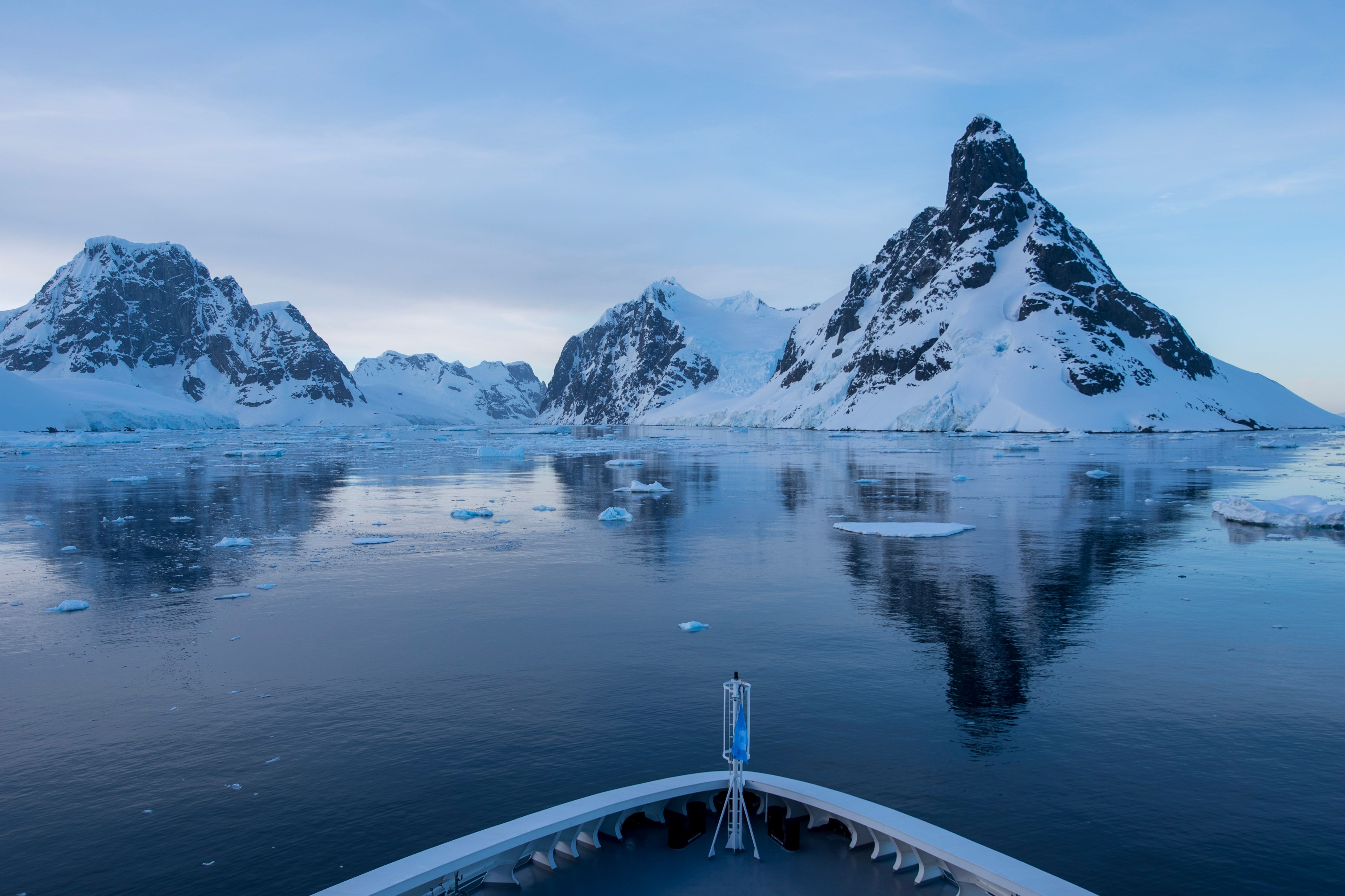
The Arctic offers several distinct expedition regions, and the right itinerary depends on what a traveller wants to see.
Kirsten discussed three broad areas:
The Canadian Arctic and Northwest Passage
Expeditions may travel through remote parts of northern Canada, with some itineraries beginning with flights from Montreal or Ottawa to Iqaluit.
Greenland and Iceland
These destinations can be combined on certain expedition routes, giving travellers the opportunity to explore different landscapes and communities across the North Atlantic.
Svalbard, also known as Spitsbergen
Svalbard is another popular starting point for Arctic expeditions. Some itineraries travel between Svalbard, Iceland and Greenland.
Chimu also operates in Churchill, Manitoba, where travellers can plan trips to see polar bears. The region provides another option for those interested in Arctic wildlife without taking a traditional expedition cruise.
The Galapagos: by boat or by land?
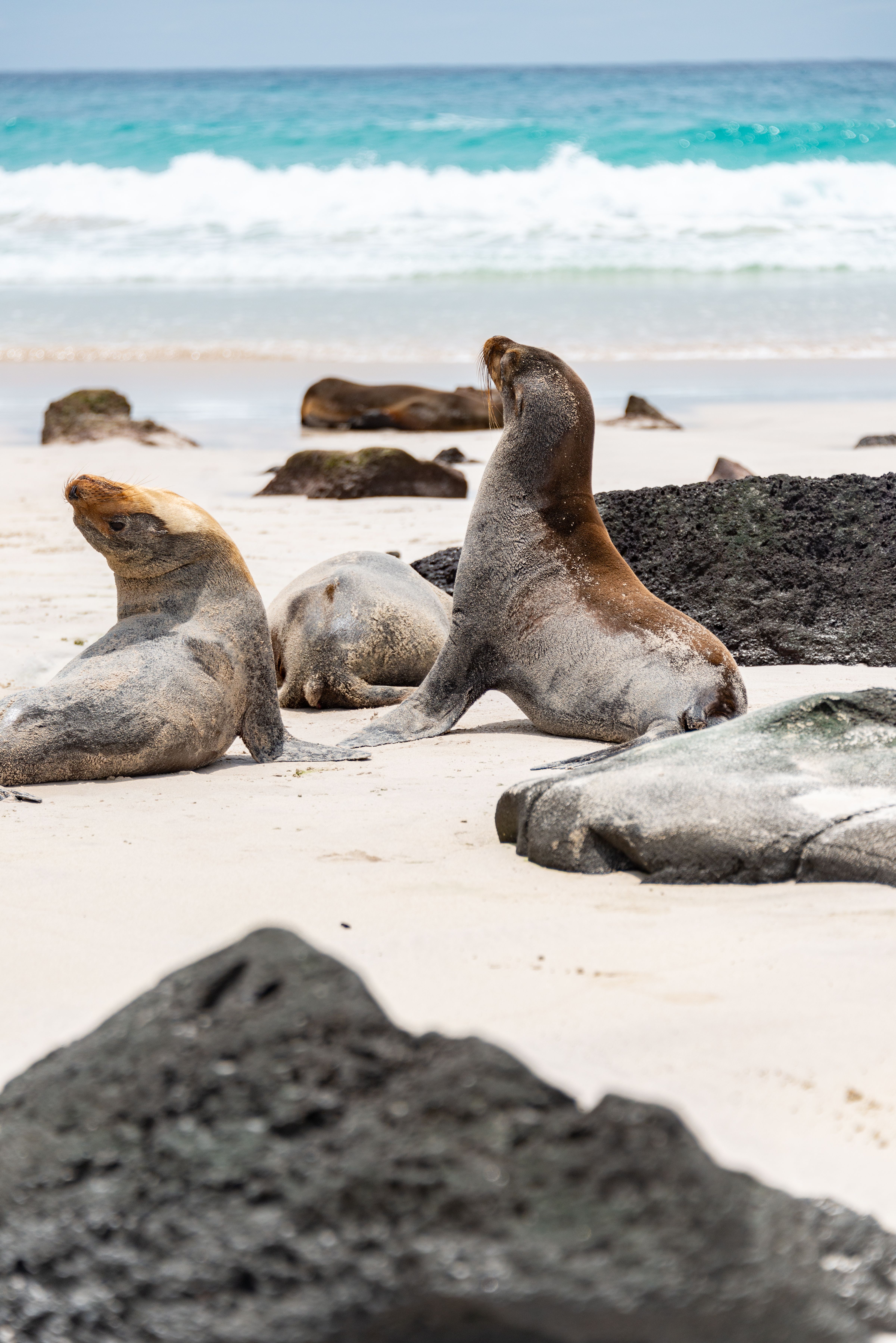
The Galapagos Islands are known for their wildlife, volcanic landscapes and unusual mix of species. Kirsten described visiting the islands as feeling a little like stepping back in time, with giant tortoises, marine iguanas and sea lions among the wildlife travellers may encounter.
There are two main ways to explore: by expedition vessel or through a land based itinerary.
Exploring by boat
A boat based itinerary allows travellers to visit a wider range of islands. Depending on the programme, excursions may include Zodiac rides, walks, snorkelling and wildlife encounters.
Chimu works with smaller vessels in the Galapagos, with passenger numbers generally below 100. Many of the boats Kirsten discussed carry around 16 to 20 guests.
There are different trip lengths and routes to consider, including shorter sailings and longer journeys that cover more of the archipelago.
Kirsten also explained that September and October can be good months to consider for travellers concerned about sea conditions. January and February may bring rougher water in some areas. Conditions vary, so the best timing depends on the itinerary and the traveller’s priorities.
Exploring by land
A land based itinerary gives travellers a hotel as their base, with day excursions to different islands and attractions. Depending on the programme, it may also be possible to stay in more than one location.
Kirsten noted that a boat based trip can make it easier to reach a wider variety of islands. Travellers also spend less time transferring between their accommodation and excursion points.
Both approaches have their advantages. The decision comes down to the amount of time available, comfort on the water, preferred activities and the places a traveller hopes to visit.
One experience Kirsten highlighted was a visit to the Charles Darwin Research Station, where guests can learn more about the islands’ wildlife and conservation work.
Planning a trip to Peru
Peru was another major focus of the conversation, particularly for travellers considering Machu Picchu, the Sacred Valley and the Amazon.
A trip can include Lima, Arequipa, Colca Canyon, Lake Titicaca, Cusco, Rainbow Mountain, Machu Picchu and the Amazon rainforest. The challenge is deciding how to connect these places without spending too much of the holiday travelling between them.
Kirsten explained that customised itineraries can include domestic flights where they make sense. This can reduce long bus journeys and give travellers more time to explore each destination.
For example, a route might include Lima, Arequipa and Lake Titicaca before continuing towards Cusco and the Amazon. Machu Picchu can then be planned towards the end of the journey.
The order can be adjusted depending on flight schedules, available permits and the places travellers most want to visit.
Allow time to adjust to the altitude
Cusco sits at a high altitude, and travellers can feel the difference when they arrive.
Kirsten recommended allowing an extra couple of days in Cusco where possible. Even travellers who are generally fit may notice that walking upstairs or climbing a slope takes more effort than expected.
She also shared a few practical suggestions from her own visit:
Drink water regularly and stay hydrated.
Ask your doctor about altitude medication before travelling.
Try coca tea or coca candies if they're offered locally.
Remember sunscreen. The sun can feel stronger at higher elevations.
Give yourself time to rest and adjust before taking on more demanding activities.
Altitude affects people differently, so it’s worth discussing any concerns with a medical professional before departure.
Getting to Machu Picchu
There are several ways to reach Machu Picchu, and the right choice depends on fitness, available time and the kind of experience a traveller wants.
Travelling by train
The train is a comfortable option for those who prefer not to hike. From the train station, travellers continue by bus up to Machu Picchu.
There are different train services available, from simpler local services to more premium options.
The one day Inca Trail hike
For travellers who want to walk part of the famous trail without committing to a multi day trek, a one day hike is another possibility.
The route includes a train journey to the starting point, followed by a hike towards Machu Picchu. The distance and time required should be checked against the specific itinerary and current trail arrangements.
Kirsten suggested that a private or smaller group arrangement can give travellers more control over their pace, with time to stop, take photographs and enjoy the scenery.
The longer Inca Trail
The traditional multi day Inca Trail is another option, although it requires more preparation and a greater physical commitment. Some travellers prefer a walking experience with comfortable accommodation along the way, rather than camping.
Machu Picchu permits and circuits
Machu Picchu has introduced different visitor circuits to help manage the flow of people through the site and protect the historic area.
The available routes and permits can affect how a visit is planned. Popular dates and circuits may sell out, so booking ahead is sensible, particularly if your travel dates are fixed.
Kirsten also explained that some flexibility with dates or the order of an itinerary can help when availability is limited. Jennifer and the Chimu team can check the options and help coordinate the permits as part of the wider trip.
Why a customised itinerary can make a difference
One of the questions during the talk was how a customised trip compares with a set group tour.
A fixed group tour can be a good option for travellers who are comfortable following a planned route and sharing the experience with a larger group. It can also help keep costs down by using shared transport and group arrangements.
A customised itinerary gives travellers more control over the pace and details. It can combine private excursions with smaller group activities, depending on the destination and budget.
For example, a couple travelling through Peru and the Galapagos might choose a private walking tour in Cusco, a shared excursion in the Sacred Valley and a boat based Galapagos programme.
The aim is to find the right balance between personal preferences, comfort, time and cost.
Planning your own expedition or South American journey?
Whether you're considering an Antarctica expedition, a Galapagos cruise or a longer journey through Peru, the details matter. Ship size, travel dates, permits, transport and the pace of an itinerary can all shape the experience.
Jennifer works with trusted travel partners such as Chimu Adventures to help clients compare options and put together a trip that suits their interests.
To discuss a future journey or join an upcoming Travel Talk, visit: